Just How Water-proof Canvas Shields Campers in Hefty Rainfall
Few points check an outdoor camping journey like an abrupt rainstorm. The distinction in between an unpleasant, soaked evening and a cozy, completely dry one often boils down to a solitary material option: the canvas your outdoor tents or gear is made from. Waterproof canvas has become a favorite amongst skilled exterior fanatics, and forever factor. It incorporates longevity with real water resistance in such a way that lighter, less costly textiles merely can not match. Recognizing just how it functions, and why it holds up so well against heavy rain, can aid you make smarter choices the following time you prepare for the outdoors.
What Makes Canvas Different from Other Camping Tent Fabrics
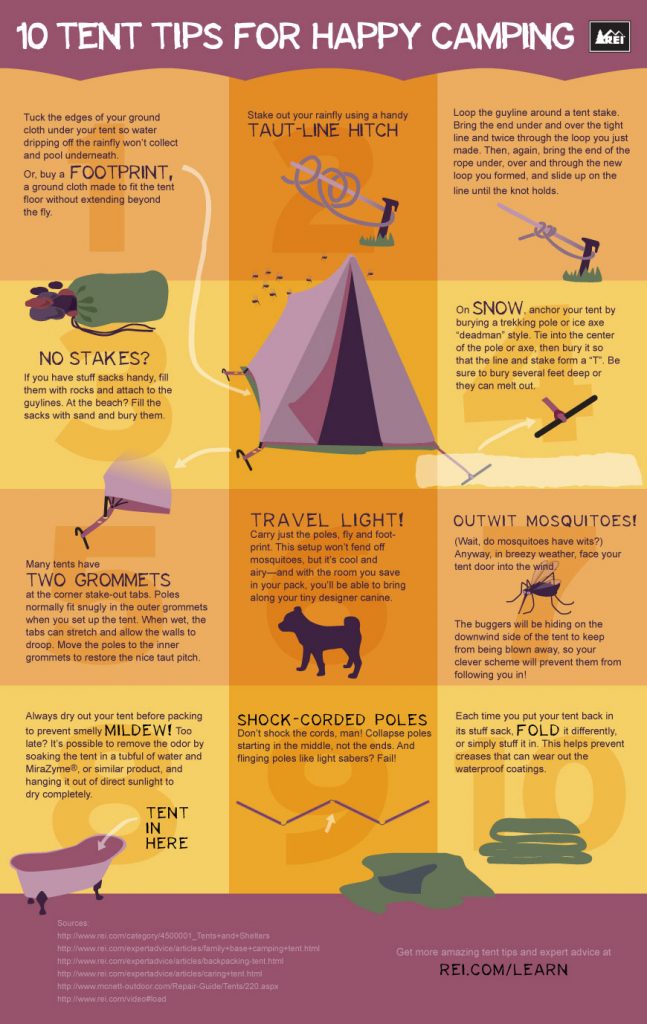
Canvas is a firmly woven fabric, traditionally made from cotton or a cotton-polyester mix. Unlike nylon or polyester outdoors tents, which count nearly completely on a thin waterproof coating, canvas obtains part of its water resistance from the fibers themselves. When cotton fibers splash, they swell somewhat, which tightens the weave and makes it even harder for water to travel through. This all-natural habits, integrated with a waterproofing treatment, offers canvas a twin layer of defense that numerous synthetic textiles do not have.
Producers generally treat canvas with wax, paraffin, or artificial waterproofing representatives. These treatments layer each fiber, creating water to bead up and roll off the surface as opposed to taking in. The result is a fabric that disregards consistent rain instead of gradually taking in moisture with time.
Exactly How Water Resistant Canvas Performs Throughout Heavy Rain
Throughout a heavy tornado, the greatest risks to a shelter are merging water, wind-driven rain, and long term saturation. Water resistant canvas addresses all three. Its thick weave withstands infiltration even when rainfall is dropping at a high angle or being pressed sideways by wind. Due to the fact that the material is thicker than most artificial alternatives, it additionally withstands abrasion from branches, rocks, or debris that could otherwise penetrate a thinner material and develop a leak point.
One more advantage is just how canvas deals with continual exposure. Some textiles do well in short ruptureds of rain yet begin to fall short after hours of continuous dampness. Canvas, especially when effectively treated, keeps its water-resistant properties over prolonged downpours, which is precisely when campers require security one of the most.
Breathability and Condensation Control
One neglected advantage of canvas is breathability. Fully water-proof synthetic products can catch wetness inside an outdoor tents, resulting in condensation build-up on the interior wall surfaces. This wetness can be just as awkward as an actual leakage. Canvas, on the other hand, permits a small amount of air exchange also while blocking outside water. This aids regulate moisture inside the outdoor tents, keeping resting bags, apparel, and gear drier throughout the evening.
This breathability does not come at the expense of defense. The tight weave and water resistant therapies still avoid rainfall from surviving, while allowing interior dampness to leave slowly. It's an equilibrium that synthetic materials commonly struggle to accomplish.
Toughness That Extends Protection Gradually
Hefty rain frequently includes wind, hail storm, or debris, all of which can wear down flimsier materials swiftly. Canvas is naturally more tough. Its thicker fibers withstand tearing and extending, which suggests the waterproof finishing stays intact much longer instead of splitting or peeling off away after repeated direct exposure. This longevity converts directly into dependability: a canvas camping tent that has actually weathered numerous tornados is often just as protective as it was on the first day, supplied it has actually been looked after properly.
Proper maintenance plays a role right here as well. Reapplying a waterproofing therapy occasionally, drying out the canvas totally after each journey, and saving it far from long term sunlight all help preserve its rain-resistant qualities for years.
Why Campers Continue to Choose Canvas
In spite of being much heavier than contemporary synthetic materials, canvas stays a top option for campers who prioritize long-term reliability over ultralight benefit. Bushcraft campers, hunters, and those who camp in unpredictable climates often prefer canvas tents and tarps specifically because camping cots they stand up so well when the climate transforms hostile. The mix of all-natural fiber habits, protective treatments, and structural durability makes canvas uniquely suited to take care of continual, heavy rainfall.
Last Ideas
Water resistant canvas isn't just a conventional material clinging to importance, it's a truly efficient option for staying dry in tough problems. Its snugly woven framework, water-repelling treatments, and breathable design work together to maintain campers secured during even the heaviest tornados. For any person preparation trips into uncertain climate, purchasing high quality waterproof canvas equipment can make the distinction between a destroyed getaway and a comfy, dry adventure.